Category: Travel

  • The Magic of Camping by the Sea

    The Magic of Camping by the Sea

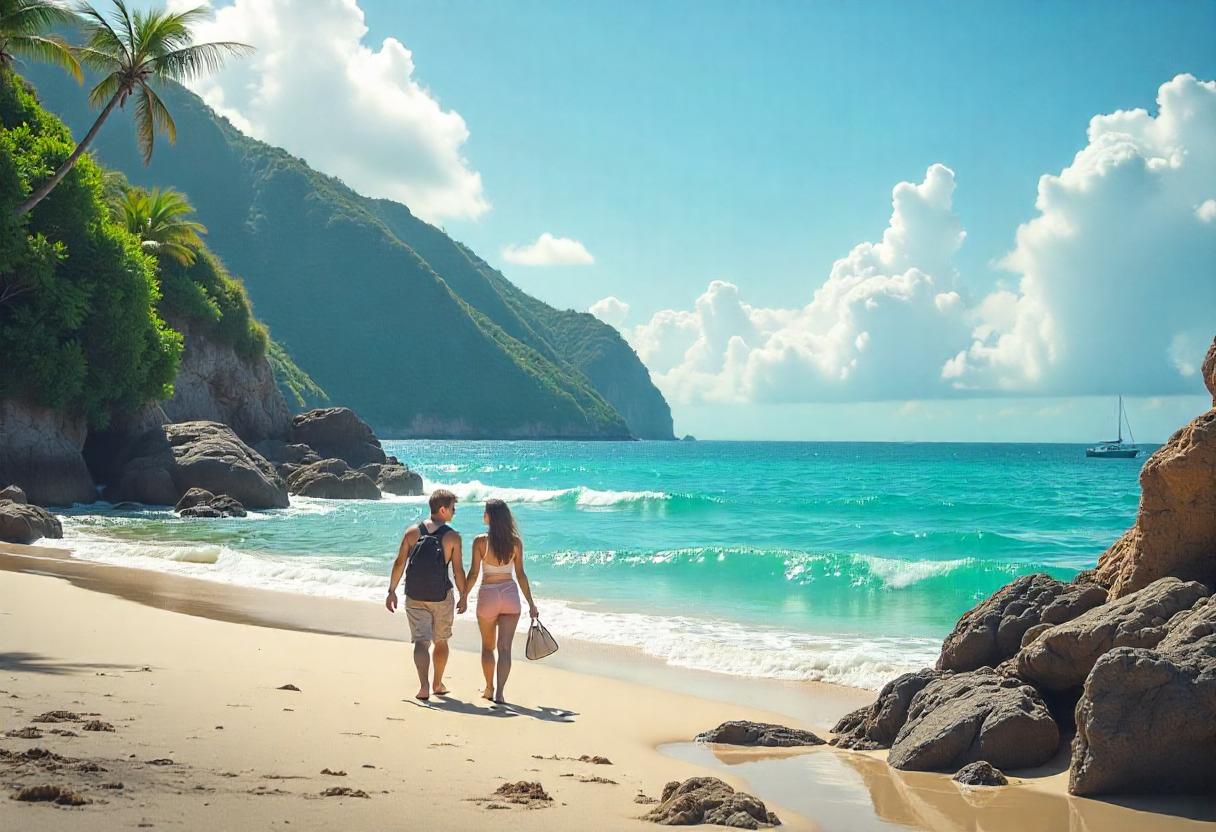
    There’s something inherently special about camping by the sea. The blend of fresh, salty air and the sound of waves lapping at the shore creates a perfect backdrop for relaxation and adventure. Whether it’s a solo retreat, a romantic getaway, or a family adventure, camping by the sea offers a truly immersive experience with nature.

    The Allure of the Ocean

    Waking up to the sunrise casting golden hues over the water is a scene you can never tire of. Days are spent feeling the soft sand beneath your feet, building sandcastles, collecting seashells, or simply lounging with a book as the tide ebbs and flows. The gentle roar of the ocean provides a sense of calm unmatched by the hustle of city life.

    Nighttime Wonders

    When the sun dips below the horizon, the magic continues. Bonfires on the beach bring warmth and the perfect ambiance for storytelling, laughter, and shared moments. The sky transforms into a canopy of stars, with the sound of the waves providing a natural soundtrack. If you’re lucky, bioluminescent plankton might light up the shore, creating a surreal experience as you watch the sea sparkle with every step.

    Activities for Every Adventurer

    For those who crave a bit more excitement, camping by the sea opens up a world of activities. Morning swims, paddleboarding, fishing, and beach games keep the days lively. Nearby coastal trails often lead to panoramic viewpoints or hidden coves, ideal for explorers.

    A Moment of Escape

    Camping by the sea offers a unique kind of magic—a moment to escape, reflect, and reconnect with the natural world. It’s where simple pleasures become unforgettable memories and where the power and peace of the ocean rejuvenate the spirit.
  • Beach Camping Do’s and Don’ts

    Beach Camping Do’s and Don’ts

    Beach camping is an incredible way to connect with nature and enjoy the serenity of the sea. However, to make the most of your experience, it’s essential to follow some guidelines. Here are the do’s and don’ts of beach camping to ensure safety, comfort, and respect for the environment.

    Do’s of Beach Camping:

    1. Check the Tides and Weather: Always check the tide schedule and weather forecast before setting up camp. This will help you avoid high tide flooding or unexpected weather changes.
    2. Choose the Right Spot: Set up camp above the high tide line and on stable ground. This ensures you stay dry and safe, even if the tide comes in during the night.
    3. Secure Your Tent: Use sand stakes or heavy rocks to secure your tent. Coastal winds can be strong and unpredictable, so securing your tent properly will keep it anchored.
    4. Bring Proper Gear: Pack wind-resistant tents, warm sleeping bags, and waterproof gear. Coastal weather can be cooler and more damp than expected.
    5. Leave No Trace: Follow the ‘Leave No Trace’ principles. Pack out all your trash, respect wildlife, and leave the area as you found it to preserve the natural beauty.
    6. Bring Sun Protection: Beaches offer little natural shade, so bring sunscreen, hats, and umbrellas to protect against sunburn.
    7. Prepare for Bugs: Coastal areas can have mosquitos or sand flies, especially at dawn and dusk. Pack insect repellent and netting if needed.

    Don’ts of Beach Camping:

    1. Don’t Camp Too Close to the Water: Even if the tide seems low, it’s better to stay at a safe distance to avoid any potential flooding or sudden surges.
    2. Don’t Leave Food Out: Food attracts animals, including seagulls and raccoons. Always store food securely in sealed containers or coolers.
    3. Don’t Disturb the Wildlife: Avoid feeding or approaching wildlife. Respect their habitat to maintain the natural balance of the ecosystem.
    4. Don’t Use Non-Biodegradable Products: Stay away from products that could harm the environment, such as plastic utensils or non-biodegradable soap.
    5. Don’t Ignore Fire Safety: If fires are allowed, keep them small, controlled, and away from flammable beach grass. Fully extinguish them before sleeping or leaving the area.
    6. Don’t Forget to Check Local Regulations: Beach camping may be restricted or regulated in certain areas. Always check with local authorities to know the rules and obtain necessary permits.

    Following these do’s and don’ts ensures that your beach camping trip is enjoyable, safe, and respectful of the natural environment. Happy camping!

  • Coastal Campsites for Your Next Tour

    Coastal Campsites for Your Next Tour

    Embarking on a coastal camping trip combines the joys of the sea, sand, and natural beauty with the thrill of the outdoors. Whether you crave sunrise strolls by the shore or the sound of crashing waves as a backdrop for your evenings, these campsites offer an unforgettable experience. Here are some top coastal campsites perfect for your next adventure:

    1. Big Sur, California, USA

    Nestled along California’s scenic Highway 1, Big Sur is renowned for its dramatic cliffs and sweeping ocean views. With campsites like Kirk Creek Campground, you can pitch your tent overlooking the Pacific, falling asleep to the rhythm of waves. Hike coastal trails, enjoy beach access, and witness breathtaking sunsets over rugged landscapes.

    2. Cornwall, England

    Cornwall’s stunning coastline makes it a top destination for campers seeking golden beaches and charming fishing villages. Trevedra Farm near Sennen Cove offers sea views and access to one of the best surfing spots in the UK. For those seeking a balance of adventure and relaxation, Cornwall provides coastal paths, hidden coves, and rich cultural history.

    3. Jervis Bay, New South Wales, Australia

    Known for having some of the whitest sands in the world, Jervis Bay is perfect for beach lovers. Campers can stay at Green Patch Campground, surrounded by lush bushland and a short walk from the clear, blue waters. Enjoy snorkeling, kayaking, and wildlife sightings, including dolphins and kangaroos.