

Category: Donation

  • Making a Difference Through Food Bank Donations

    Making a Difference Through Food Bank Donations

    ntroduction:
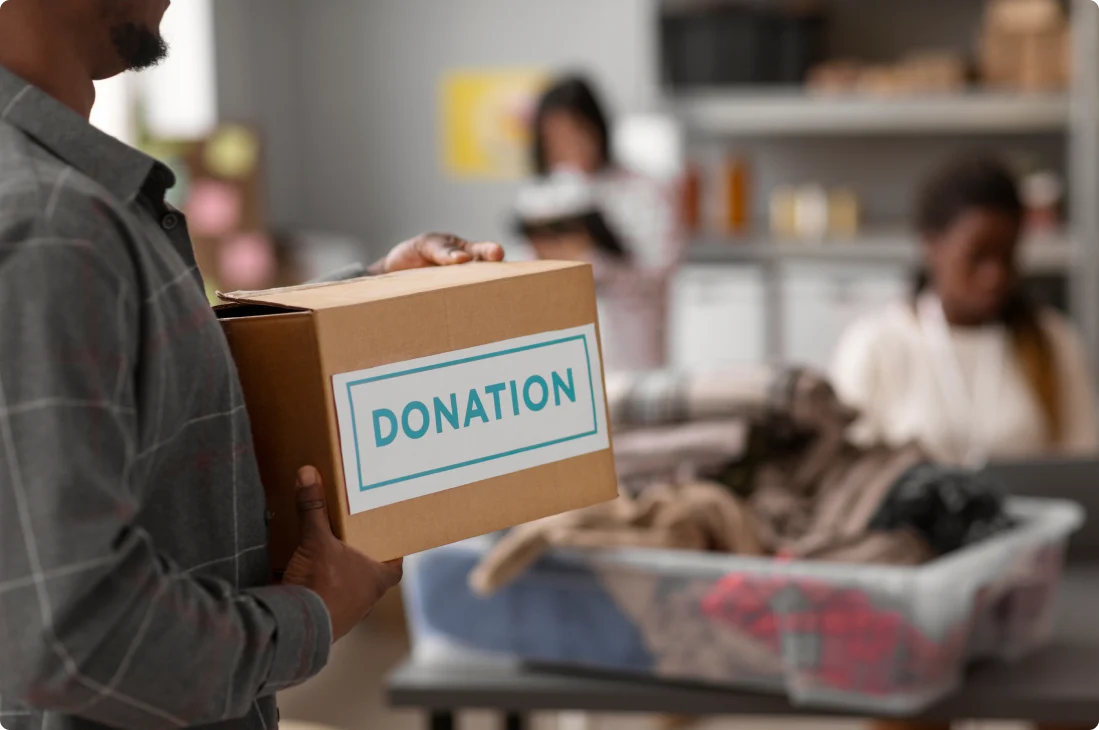
    Food insecurity affects millions of families globally. Food banks are a vital resource for combating hunger, but their success depends on donations from people like you.

    The Importance of Food Bank Donations:

    • Supporting Vulnerable Populations: Food banks provide essential resources to those in need.
    • Community Impact: Donations strengthen communities and foster a sense of togetherness.
    • Reducing Waste: Donating surplus food helps reduce food waste while addressing hunger.

    How You Can Get Involved:

    • Volunteer at your local food bank.
    • Organize a food drive in your community.
    • Spread awareness about food bank needs.

    Conclusion:
    Every small action counts. By contributing to food banks, you’re not just providing meals—you’re offering hope and a chance for a better future.
  • Why Are Forest So Important For Our  Earth?

    Why Are Forest So Important For Our Earth?

    Introduction:
    Forests are often called the “lungs of the Earth,” and for good reason. They provide oxygen, support biodiversity, regulate the climate, and serve as a vital resource for millions of species, including humans. However, deforestation and environmental degradation threaten their existence.

    The Role of Forests:

    1. Oxygen Production: Forests absorb carbon dioxide and release oxygen, sustaining life on Earth.
    2. Climate Regulation: They act as carbon sinks, reducing the greenhouse effect and mitigating climate change.
    3. Biodiversity Hotspots: Forests are home to 80% of the terrestrial species, making them critical for preserving ecosystems.
    4. Water Cycle: Forests influence rainfall patterns and help maintain freshwater supplies.

    How You Can Help:

    • Support reforestation projects.
    • Donate to conservation efforts.
    • Reduce paper and wood consumption.

    Conclusion:
    Forests are essential to the health of our planet. By taking action today, we can protect these vital ecosystems for future generations.

  • Why Are Forests So Important for Earth?

    Why Are Forests So Important for Earth?

    Introduction:
    Forests are often called the “lungs of the Earth,” and for good reason. They provide oxygen, support biodiversity, regulate the climate, and serve as a vital resource for millions of species, including humans. However, deforestation and environmental degradation threaten their existence.

    The Role of Forests:

    1. Oxygen Production: Forests absorb carbon dioxide and release oxygen, sustaining life on Earth.
    2. Climate Regulation: They act as carbon sinks, reducing the greenhouse effect and mitigating climate change.
    3. Biodiversity Hotspots: Forests are home to 80% of the terrestrial species, making them critical for preserving ecosystems.
    4. Water Cycle: Forests influence rainfall patterns and help maintain freshwater supplies.

    How You Can Help:

    • Support reforestation projects.
    • Donate to conservation efforts.
    • Reduce paper and wood consumption.

    Conclusion:
    Forests are essential to the health of our planet. By taking action today, we can protect these vital ecosystems for future generations.

  • What to Donate to a Food Bank & What to Avoid

    What to Donate to a Food Bank & What to Avoid

    Introduction:
    Food banks play a crucial role in supporting families and individuals facing food insecurity. Your donations can make a real difference, but it’s important to donate thoughtfully to maximize the impact.

    What to Donate:

    1. Non-Perishable Foods: Items like canned vegetables, beans, and soup are always in demand.
    2. Staples: Rice, pasta, and cooking oil are versatile and essential.
    3. Healthy Snacks: Granola bars, dried fruits, and nuts provide much-needed nutrition.
    4. Personal Care Items: Hygiene products like toothpaste, soap, and diapers are also in high demand.

    What to Avoid:

    • Expired Products: Always check the expiration date.
    • Homemade Foods: Food banks often cannot accept homemade items due to safety regulations.
    • Perishable Items: These may spoil before reaching those in need.

    Conclusion:
    Your thoughtful donations can bring relief and hope to families in need. By understanding what food banks truly need, you can ensure your contributions make a meaningful impact.

  • Making a Difference Through Food Bank Donations

    Making a Difference Through Food Bank Donations

    Introduction:
    Food insecurity affects millions of families globally. Food banks are a vital resource for combating hunger, but their success depends on donations from people like you.

    The Importance of Food Bank Donations:

    • Supporting Vulnerable Populations: Food banks provide essential resources to those in need.
    • Community Impact: Donations strengthen communities and foster a sense of togetherness.
    • Reducing Waste: Donating surplus food helps reduce food waste while addressing hunger.

    How You Can Get Involved:

    • Volunteer at your local food bank.
    • Organize a food drive in your community.
    • Spread awareness about food bank needs.

    Conclusion:
    Every small action counts. By contributing to food banks, you’re not just providing meals—you’re offering hope and a chance for a better future.